
When families hear the words “school readiness”, it is easy to picture alphabet cards, counting exercises and children learning to write their names. Those skills have a place — but being ready for school is much bigger than academics.
A child beginning school enters a world filled with relationships, routines, decisions, questions and new experiences.
Can they ask for help?
Can they communicate an idea?
Can they try again when something does not work the first time?
Can they join a group, listen to another child and begin solving small problems independently?
These abilities form an important part of the foundation on which later learning is built.
In Australia, preschool is defined as a structured, play-based learning program in the year or two before full-time school, delivered in line with the National Quality Framework and Early Years Learning Framework.
That distinction matters.
Preparing children for school does not mean making preschool look like school earlier. It means giving children rich opportunities to develop the confidence and capabilities they will use once they arrive there.
Confidence to have a go
A child will encounter plenty of unfamiliar experiences at school.
Confidence does not mean never feeling nervous. It means gradually developing the belief that, I can try this. I can ask for help. I can work it out.
Play creates opportunities for this every day.
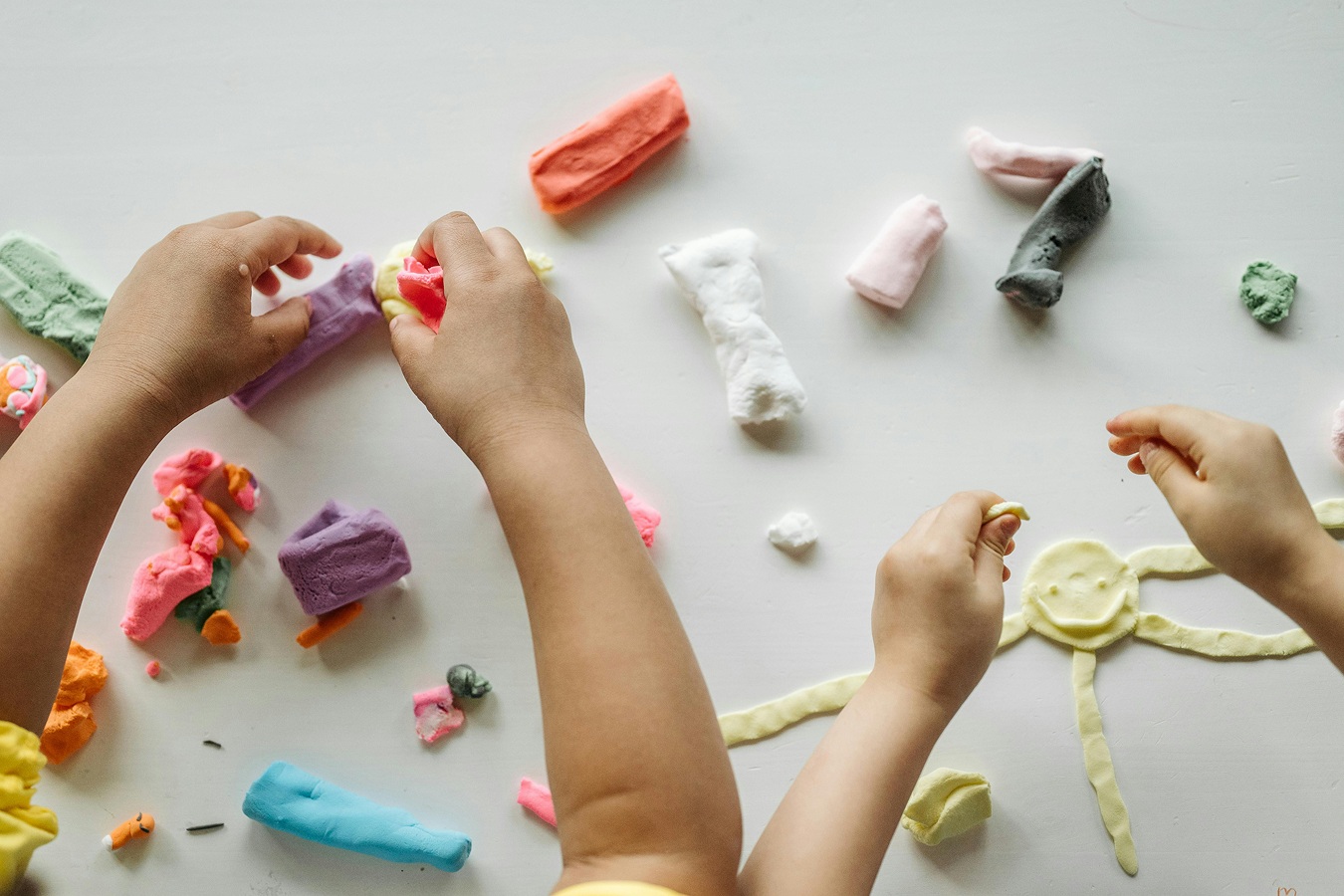
A child balancing a structure learns to adjust their approach. A group creating an imaginary café negotiates roles. A child learning to open their lunchbox practises persistence and independence.
These ordinary moments become preparation for much bigger ones.
Communication and language
School days are full of communication.
Children need opportunities to express ideas, listen to others, ask questions, tell stories and make themselves understood.
Conversation, imaginative play, songs, books and group experiences help language develop naturally rather than as an isolated lesson.
Social and emotional skills
Being able to recognise emotions, recover from disappointment, wait, cooperate and navigate friendships can be just as important to a smooth transition as recognising a letter or number.
ACECQA’s guidance on transition to school specifically highlights children’s wellbeing and the social and emotional dimensions of beginning school.
Educators can support these abilities in real situations — helping children find words for feelings, work through conflict and understand another person’s perspective.
Independence in everyday routines
There are also practical skills that make school feel easier.
Packing belongings away, caring for personal items, managing clothing, washing hands, making choices and following a familiar routine all help children develop a sense of capability.
The goal is not perfect independence. It is growing confidence in doing more for themselves.
Early literacy and numeracy — through meaningful experiences
Letters and numbers are everywhere in children’s play.
Children count blocks, compare sizes, recognise their names, follow recipes, create signs, tell stories, notice patterns and ask what words mean.
Intentional educators can build on these moments without turning curiosity into pressure.
The Early Years Learning Framework specifically recognises the combination of play-based learning and educator intentionality as a way to expand children’s thinking and desire to learn.
School readiness at Little Seeds
Our Bloomers 3–5 program in Caringbah is led by qualified Early Childhood Teachers and uses play-based experiences to develop communication, resilience, creativity, problem-solving, independence and foundational literacy and numeracy.
Children are not being rushed into school.
They are becoming comfortable with learning.
They are discovering that questions are welcome, ideas can change and challenges can be worked through.
And when the first day of big school eventually arrives, that sense of confidence may be one of the most valuable things they carry with them.
Looking for a preschool program in Caringbah? Explore our Bloomers Room or book a tour of Little Seeds Early Learning.

